
Your next chapter
in China.
Built on Odoo.
A new operation. New people. New possibilities. Bring your China team and headquarters together around an ERP that fits the way you work.
Start with your business.
Then shape the system.
DevReaction implements and customizes Odoo for businesses in China. These are the starting points for your project conversation.
Give the project a clear scope.
Describe how your operation will run, who will use the ERP, and what needs to work first. Use those answers to frame an Odoo implementation.
- Day-one workflows and users
- Data preparation and ownership
- Priorities for the first phase
Make room for how you work.
Bring the steps, approvals, and exceptions that matter to your team. Explore where standard Odoo fits and where a tailored workflow needs investigation.
- Operational requirements
- Roles and approval steps
- Specific workflow gaps
Consider the systems around it.
Identify what headquarters and the China operation need to exchange. A specific system review can establish the options and scope for each connection.
- Systems you need to retain
- Information moving between teams
- A clear owner for each data flow
SEDIS Logistics AsiaFormerly ASI Logistics
Explore this customer’s Odoo journey and DevReaction’s role in the project, with coverage from Odoo and the customer’s own team.
Bring a real workflow
to the conversation.
Choose an example that resembles your operation. Follow the information from one person or team to the next.

From an order to a delivery.
Who confirms an order, checks availability, arranges delivery, and follows up? Where does headquarters need visibility?
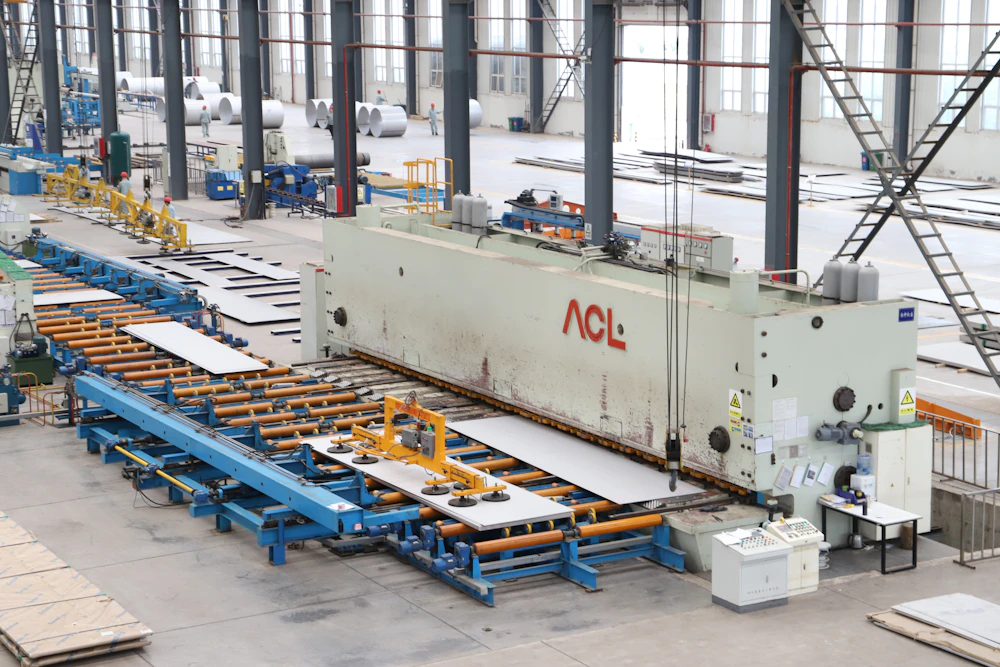
From demand to production.
How do purchasing, materials, production, and quality decisions connect? Identify the records each handoff needs.

From an enquiry to delivery.
How does a new enquiry become a proposal and a project? Clarify who owns the work and how progress is reported.
Local needs.
A shared picture.
Opening a branch is more than adding another system. Your local team needs to get work done, while headquarters needs information it can use.
Build one requirements brief that makes both perspectives visible.
Two perspectives. One shared requirements brief.
People and working languages
Who will use the ERP, and which language does each team need for everyday work, training, and reporting?
Reports and data ownership
What must headquarters see? Agree the definitions, format, frequency, and owner of the information.
Existing systems and handoffs
Which systems stay? Map what moves between them before assuming a particular integration is needed.
Launch priorities
Separate essential first-day work from later improvements. Make dependencies and open questions explicit.
Before you compare software,
align the team.
Five questions to help your China team and headquarters prepare a shared ERP brief, with practical examples and a checklist you can use in your next discussion.
Five questions.
One shared requirements brief.
A clearer brief before the first demo.
You do not need every answer. Start with what you know and make the unknowns visible.
Describe the operation.
Explain what you are opening, where the team will work, and the milestones you are aiming for.
Map one real workflow.
Bring a typical transaction or project, including the people, documents, and exceptions involved.
Agree what comes first.
Separate launch essentials from later improvements. Identify the decisions that affect the first phase.
Include the right people.
Bring local operations, headquarters, and the people responsible for systems and data into the discussion.
A few things you may be wondering.
Every operation has its own requirements. These questions can help you frame yours.
Talk through your projectCan we keep the system used by headquarters?
Start by identifying which system owns each piece of information and what the China operation needs to exchange. Compatibility, available interfaces, and the scope of any connection need to be reviewed for your specific systems.
Does every workflow need to be ready at launch?
Separate first-day essentials from work that can come later. Use a realistic transaction or project to check the minimum end-to-end flow, and record any temporary arrangements and their owners.
What should we prepare before getting in touch?
A short description of the China operation, the teams involved, existing systems, and the main workflows is a useful start. Include target milestones and the questions your team has not yet resolved.
How should we approach budget and timing?
Useful estimates depend on scope, users, data preparation, system connections, and any customization. Bring those details to the discussion and distinguish the first phase from later improvements.
Trusted by
Find DevReaction on Odoo





What are you building in China?
Tell us about your operation and what you need from your ERP.